
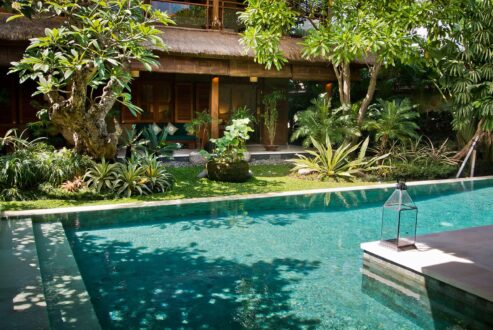
In the West, our homes are designed to seal us off from the elements. We build thick walls, install double-glazing, and rely on central heating to keep the weather out. But in the tropics, true luxury is about inviting nature in. This design philosophy, known as “Tropical Modernism,” is what gives the quintessential Bali family villa its unique architectural soul.
1. The Art of Airflow
The core principle of this style is passive cooling. Instead of relying entirely on air conditioning, traditional high-end estates use soaring ceilings and open-sided pavilions to capture the ocean breeze. This creates a living environment that feels breathable and alive, unlike the sterile, recycled air of a hotel corridor.
Architects in Bali have mastered the art of cross-ventilation. By positioning living areas to face the prevailing winds and using wide eaves to protect against the sun, they create a microclimate that is naturally cool. It is a sensory experience—feeling the movement of the air and smelling the rain on the hot earth.
2. Blurring the Lines Between Indoors and Outdoors
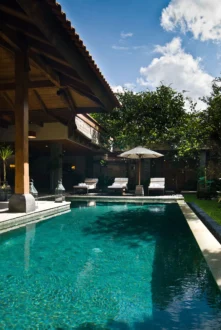
A true tropical home doesn’t end at the doorstep. The garden is treated as another room. Bathrooms are often semi-outdoor, allowing you to shower under the stars, while living areas flow seamlessly into the pool deck. This connection to the “Earth’s Echo”—the sound of water, the rustle of palms—is proven to lower stress levels.
This “Biophilic Design” is not just about aesthetics; it is about wellness. Studies show that merely looking at greenery can lower blood pressure. In a private villa, you aren’t just looking at nature; you are living inside it.

3. Design in Action: Villa Kinaree Estate
For a masterclass in this architectural style, one needs to look at the Villa Kinaree Estate in Seminyak. The estate creates a sanctuary where the architecture acts as a frame for the surrounding nature.
By utilizing vast teakwood columns and open-plan living pavilions, the estate achieves that rare balance of grandeur and grounding. It demonstrates that luxury isn’t just about gold taps and marble; it’s about the luxury of space, air, and light. It serves as a prime example of how sustainable design concepts can be applied to high-end hospitality.

The Sound of Serenity: Why Bali’s “Nyepi” Philosophy Matters
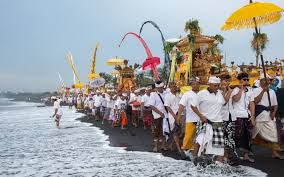
We live in a noisy world. Traffic, notifications, and constant background hums dominate our lives. In Bali, however, there is a deep cultural appreciation for silence. The island is the only place on earth that shuts down an entire international airport for 24 hours every year for “Nyepi,” the Day of Silence.

1. The Ritual of Quiet
Nyepi is a time for introspection. No fires are lit, no work is done, and no noise is made. It is a reminder that the earth has its own rhythm, an “echo” that we can only hear when we stop speaking. While tourists cannot experience Nyepi year-round, the philosophy of seeking quiet is woven into the island’s fabric.
The Balinese believe that by falling silent, we trick the evil spirits into thinking the island is uninhabited, causing them to leave. But on a personal level, the silence allows us to confront our own thoughts and find a sense of peace that is often drowned out by the modern world.
2. Finding Your Own Quiet Zone
To truly experience Bali, you must step away from the beach clubs. Head inland to the rice paddies of Tabanan or the deep river valleys of Ubud. Here, the soundtrack changes. The roar of motorbikes is replaced by the clicking of geckos and the distant sound of gamelan practice.
3. Reconnecting with the Earth
Spending time in these quiet zones allows you to practice “earthing” or grounding. Walking barefoot on grass or sand has been shown to reduce inflammation and improve sleep. Bali offers the perfect landscape to kick off your shoes and listen to what the nature around you is saying. It is a simple therapy, but often the most effective ones are.

Bali is paradise, but it faces significant environmental challenges, particularly with plastic waste. As visitors, we have a responsibility to tread lightly. The concept of “Earth’s Echo” reminds us that our actions today reverberate into the future. Here is how you can travel sustainably.
1. Say No to Single-Use Plastic
Indonesia is fighting a hard battle against plastic pollution. You can help by refusing plastic straws, bringing a reusable shopping bag, and carrying a refillable water bottle. Many cafes now offer water refill stations for free or a small fee. It is a small habit change that saves hundreds of bottles from entering the ocean during a single trip.

2. Support “Green” Businesses
Vote with your wallet. Choose restaurants that source locally and tour operators that respect wildlife. Avoid attractions that exploit animals for selfies. Instead, look for ethical sanctuaries that focus on conservation and rehabilitation.

3. Participate in a Beach Cleanup
One of the most rewarding things you can do is give back. Organizations like Trash Hero organize weekly community cleanups across Bali. It is a fantastic way to meet locals, make friends, and leave the island cleaner than you found it. Spending just one hour cleaning a beach connects you to the community in a way that sunbathing never will.